

An unofficial guide for Bengals Nation in Madrid
The “International Series” are a great opportunity for visitors to discover the customs of the host country and blend in with the locals. In this article, we’ll try to give Bengals fans coming to the Madrid Game a few simple tips so they can be almost indistinguishable from any other Spaniard.
But there are two very different days to keep in mind. Saturday is the day to experience Spain at our pace: sleep in, head out, have an aperitivo, enjoy a long lunch, linger over sobremesa, and stretch the night out as long as possible. Sunday changes everything. It’s GAMEDAY. Bengals vs. Falcons, 3:30 PM.
So let’s start with Saturday.
SATURDAY — LIVE LIKE A SPANIARD
On a Saturday morning, an alarm clock is optional. We won’t get out of bed until the sun starts coming through the windows. If, for whatever reason, we wake up and the hour on the clock only has one digit, we’ll roll over and go back to sleep. If you stick to your habits and get up early, you may run into young people heading home after a night out, along with the occasional brave soul who gets up early to run or walk around the city.
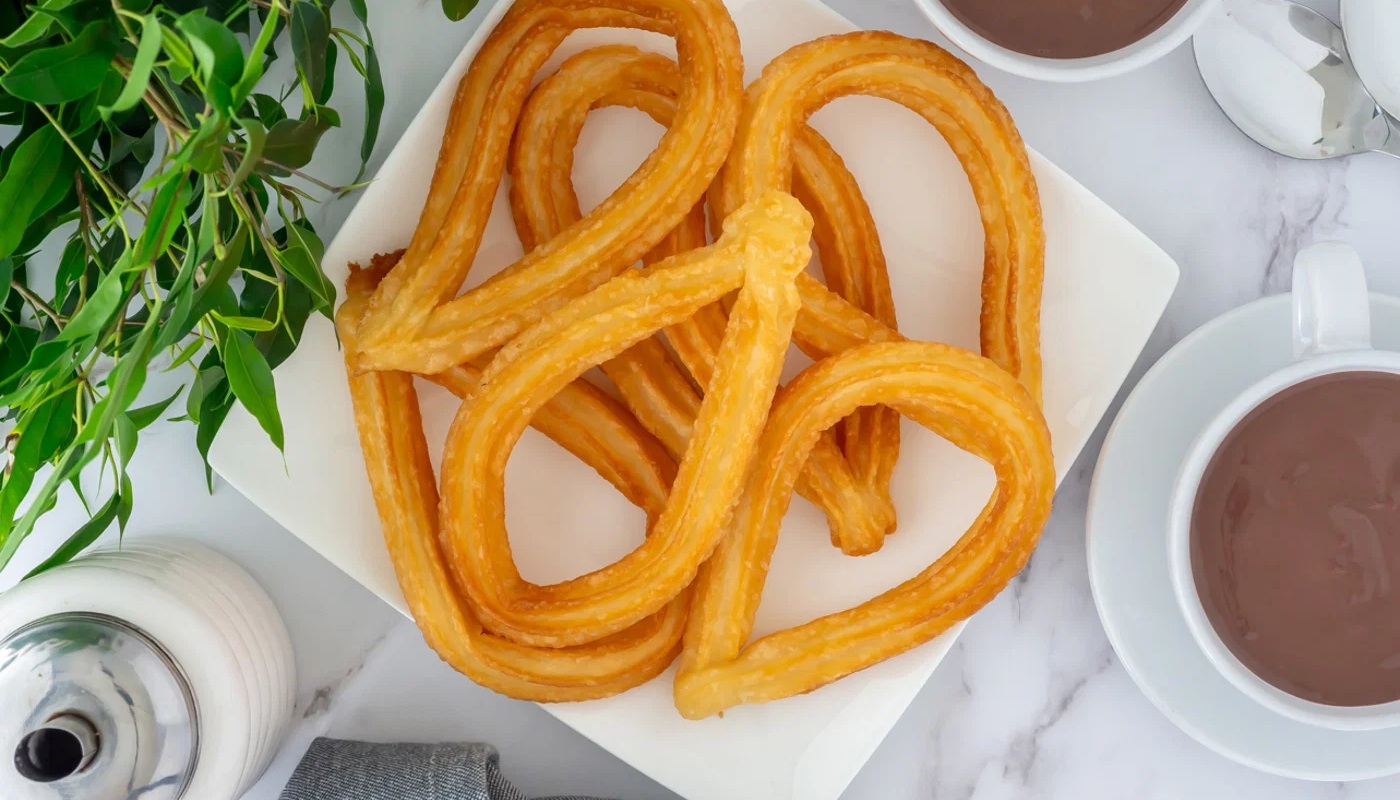
Once we’re up and ready, we’ll head outside. In Spain, life happens in the street. Home is basically for sleeping, and even that is optional if a better plan comes along. Since our stomachs are empty, we’ll head to a café for breakfast (yes, at 10 or 11 AM on a Saturday): churros — being in Spain and not trying them is unforgivable — toast, or even a small ham or Spanish omelet sandwich, with hot chocolate or coffee depending on your taste. One warning: coffee here is the real thing, not watered down. Order a café solo only if you like a strong, Italian-style coffee flavor.
Next, to kill time until the next meal, we can take a walk around the city. Sometimes it’s a good idea to duck into a shopping mall — not to buy anything, but because the air-conditioning may be much more pleasant than the temperature outside. Another option, especially for older visitors, is to stop by a construction site and criticize from behind the fence how badly they’re doing everything and how much better it was done when we were younger. That’s typical Spanish. If we want to blend in with the locals, we need to learn how to criticize absolutely everything. It’s in our DNA.
Noon (12 PM) is approaching and your stomach starts rumbling. Time for lunch. WRONG. Nothing gives away a visitor faster than eating lunch at this hour. To solve this problem, Spaniards have the “aperitivo.”
We’ll head to a bar for some tapas. They vary from city to city, but in Madrid you’ll often find gildas, patatas bravas, or the classic tortilla de patatas. To go with them, have a nice cold beer or a vermouth if you’re feeling a little more sophisticated. It’s not wine time yet.

Spain is a very social country, so starting a conversation with the other people in the bar shouldn’t be too difficult. To look Spanish, we need to talk about everything with absolute conviction, even when we have no idea what we’re talking about: sports, politics, food, and so on. If we run out of arguments, the way to prove we’re right is simply to raise our voice. And then we’ll still say it’s probably better not to talk about those subjects and avoid pointless arguments.
And that last point is important for foreign visitors: we’re loud. Very loud. From the outside, a bar full of Spaniards can look like the scene of a massive argument when, in reality, everyone is probably just discussing where to go for dinner. We talk loudly, gesture, interrupt each other, and sometimes all speak at once. Don’t worry. If there’s a lot of noise, everything is probably going perfectly.
Before we know it, it’ll be 3 PM, which is a very good time to finally start eating for real. We’ll find a good restaurant and leave our sense of urgency at the door. In Spain, a meal is a ritual to be enjoyed, so don’t get impatient with the pace of the service. Everything tastes good here, from traditional dishes — cocido, fabada, or a good paella — to meat, fish, and seafood. Now it’s finally time for wine. And of course, finishing with a good dessert is mandatory.

Once we’ve finished eating, we leave. NOOOOOO. In Spain, you stay at the table talking with everyone else until the staff are practically sweeping you out the door. That’s what we call “sobremesa.” To keep the conversation going, we’ll order a coffee or a liqueur. Or both. Mixed together or separately.
At this point, we reach one of the most important parts of the day: the siesta. After a good meal, we’ll go to sleep for anywhere from half an hour to three hours. Getting enough rest is essential for the night ahead.
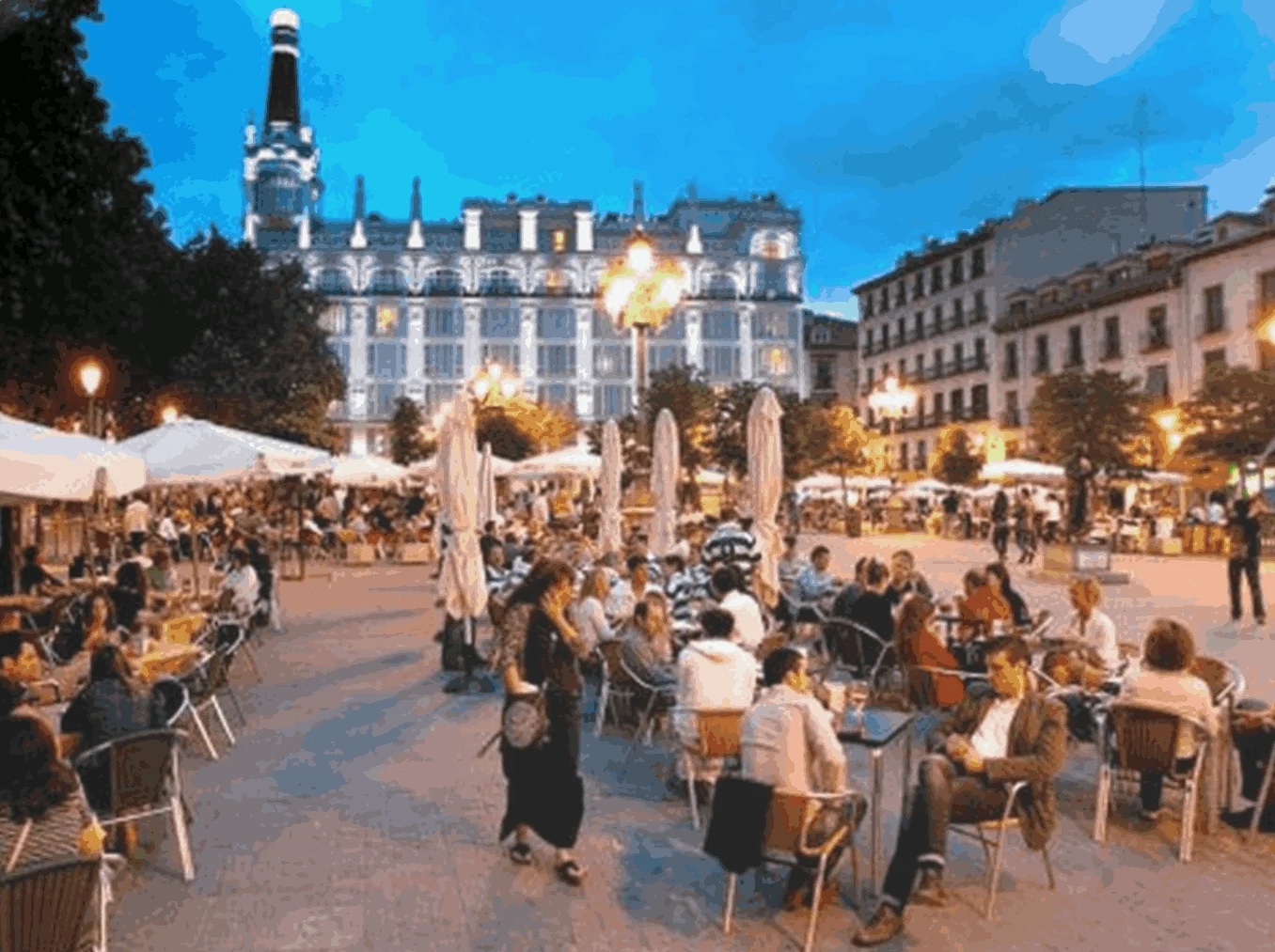
Back out on the street, weather permitting, we’ll head to a terrace to enjoy the evening with friends and beers. If the weather is good, you’ll see huge numbers of people walking around, sitting at outdoor tables, or simply chatting in the street. In Spain, being out in the street is part of the plan; it isn’t just how you get from one place to another. You may even see groups with drinks outside, although drinking alcohol in public spaces is generally not allowed outside terraces and other authorized areas.
Once night falls, it’s time for a change of scene. For dinner, if lunch was big enough, there’s no need to go to a restaurant. Any bar can offer plenty of delicious tapas to add to your collection: cured meats — ham, chorizo, cheese — Russian salad, croquettes, fried calamari — in a sandwich if you’re in Madrid — or, if you’re feeling brave, dishes that taste much better than they look, such as tripe or pig’s ear.
Finally, it’s time to have some fun at a nightlife spot for as long as your body can handle it — which is why eating and resting properly all day was so important. There are plenty of places to listen to music depending on what you’re into.
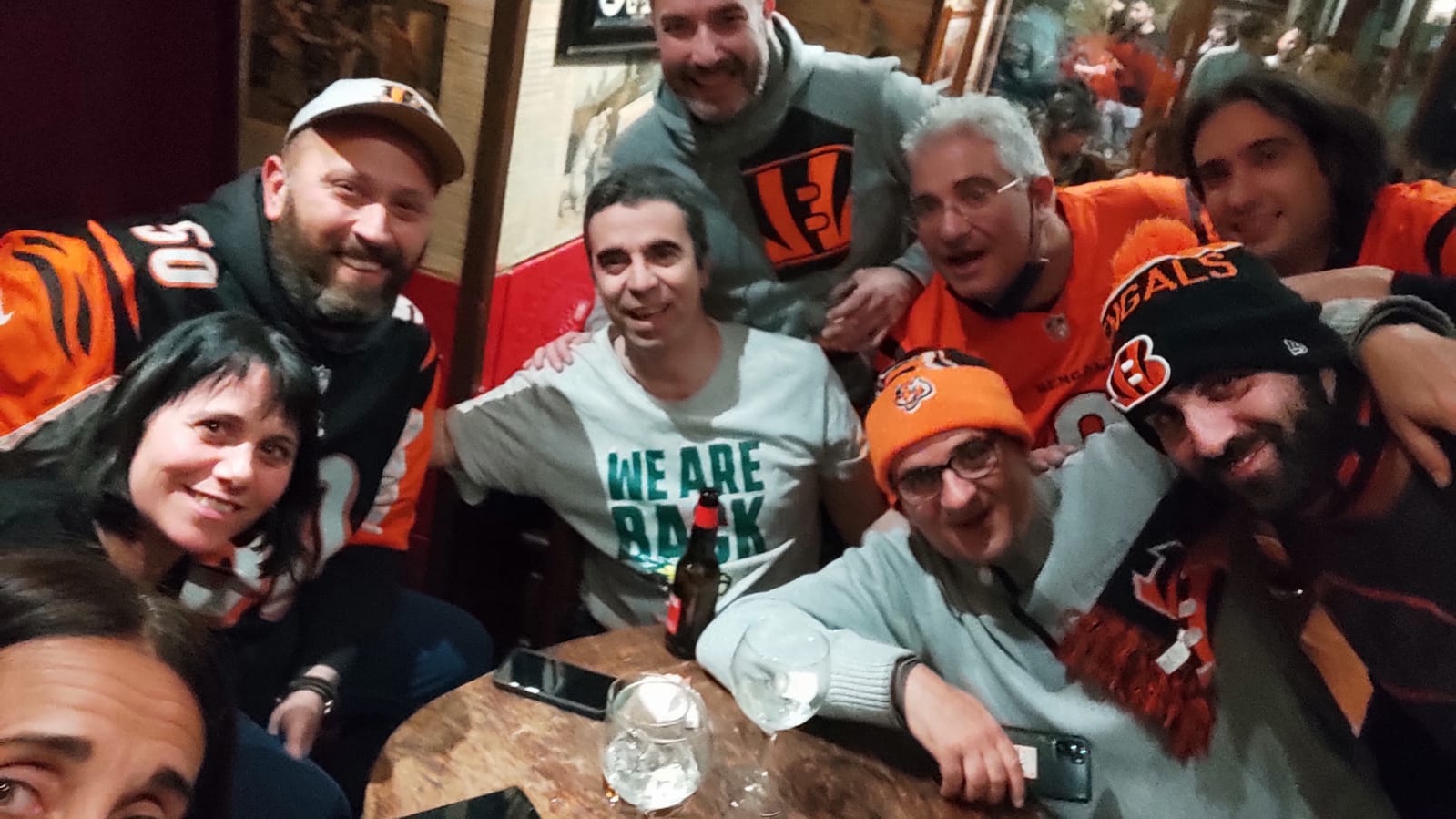
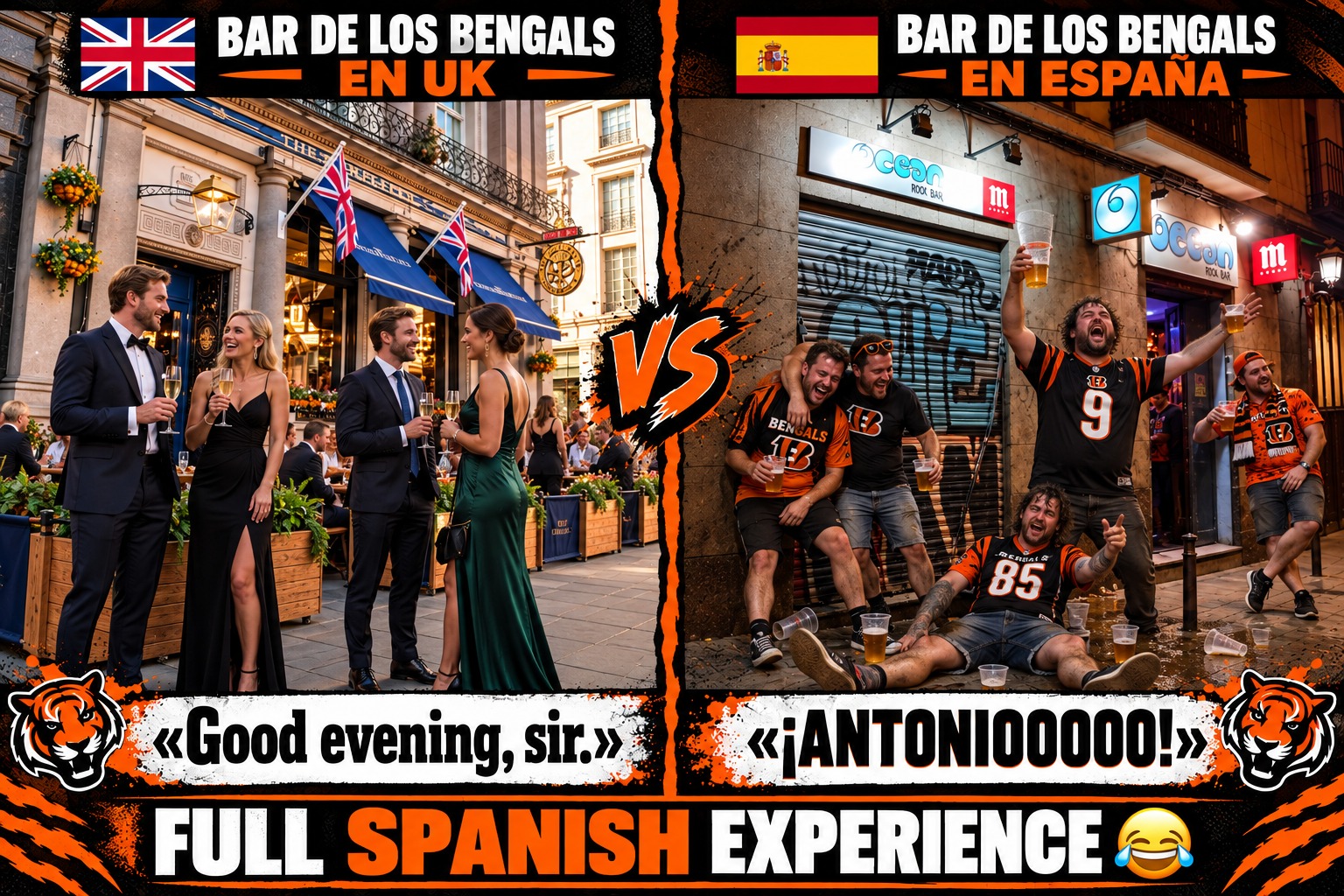
Here’s another warning for our American friends. In many Spanish bars and music venues, booking a table isn’t really a thing the way it can be at certain places in the United States. A place like Ocean Rock Bar, our Bengals meetup spot, and other similar bars is basically somewhere to stand, order a drink, listen to music, talk to people, and move around. Don’t show up expecting to sit in front of a giant TV watching sports. For that, you’ll need to look specifically for a bar showing the game.
The problem is that, because of the volume of the music, that may be all you can hear. When we talk to someone — or someone talks to us — and we can’t understand a word, we simply nod and smile. This trick works in any situation, including not knowing the language. And because talking that loudly will dry out our throats, it’s time to order a mixed drink which, be warned, can be very generous with the alcohol in Spain.
There’s no need to spend the whole night in the same place. In fact, changing venues is encouraged. There’s no rush to get back home or to the hotel. It’s also very common to decide the next stop as you go. Don’t be surprised if you hear a twenty-minute argument about where to go next, only for everyone to end up at the exact bar someone suggested at the very beginning.
If, for whatever reason, we get hungry again, then — and only then — it’s acceptable to fill up on pizza, kebabs, or hot dogs, foods we might reject under other circumstances, at the many places that will still be open despite the hour. Nobody is going to judge you for it in the middle of the night.
If you’ve followed all these steps and wake up in your bed without knowing how you got there, congratulations: you did it right. You’ll probably find photos on your phone that, if you have a partner, you should delete immediately; if not, they’ll always be a nice souvenir of your time in Spain.
SUNDAY — GAMEDAY: BENGALS vs. FALCONS, 3:30 PM
Sunday is different. Forget everything we just told you about sleeping until noon. It’s GAMEDAY. Bengals vs. Falcons kicks off at 3:30 PM, so this time even a Spaniard will agree to set an alarm.
And here’s one of the most important things American fans need to know: Madrid does not do tailgating the American way.
The Santiago Bernabéu is a soccer stadium — yes, soccer — right in the middle of Madrid. It’s surrounded by streets, buildings, offices, restaurants, and bars. There are no huge parking lots next to the stadium where thousands of fans can set up vans, grills, tables, coolers, and games for hours.

Our version of “tailgating” is much simpler: we meet at bars. We have breakfast, meet up with other Bengals fans, walk toward the Bernabéu, stop for a beer, grab something to eat, keep walking, find another bar, have another beer… and eventually head into the stadium. Put another way: bar-hopping is our version of tailgating.
And don’t expect every bar around the stadium to be a sports bar. Spain has far fewer American-style sports bars. It’s common for bars to have TVs and show soccer when there’s a big game on, but the television isn’t always the center of the experience. People mainly go to bars to eat, drink, and talk. And yes: they’ll be talking pretty loudly.
If the weather is good, be ready to see a lot of people out in the streets. Madrid lives outdoors. People walk around, meet friends, fill the terraces, and move from one bar to another. Don’t be surprised by the crowds, the noise, or a bit of chaos around the stadium. Usually, that just means everything is going well.
And if you see orange and black somewhere in Madrid, try saying “Who Dey.” There’s a pretty good chance you’ve just found one of us.
Give yourself plenty of time to get to the stadium. The Bernabéu is right in the city, and the whole area will be especially busy on gameday. Unlike many NFL stadiums surrounded by parking lots, plenty of fans will arrive on foot or by public transportation.
And remember where you’re walking into: one of the most famous soccer stadiums in the world, transformed for a few hours into Bengals territory.
At 3:30 PM, there’s only one Spanish phrase you really need to know: ¡VAMOS BENGALS! And, of course, WHO DEY.

SPANISH 101 FOR BENGALS NATION
30 words and phrases to survive a weekend in Madrid
Formal — hotels, restaurants, and shops
| Buenos días | Good morning |
| Buenas tardes | Good afternoon |
| Por favor | Please |
| Gracias | Thank you |
| Disculpe | Excuse me / Sorry |
| ¿Cuánto cuesta? | How much is it? |
| ¿Dónde está…? | Where is…? |
| La cuenta, por favor | The check, please |
| ¿Se puede pagar con tarjeta? | Can I pay by card? |
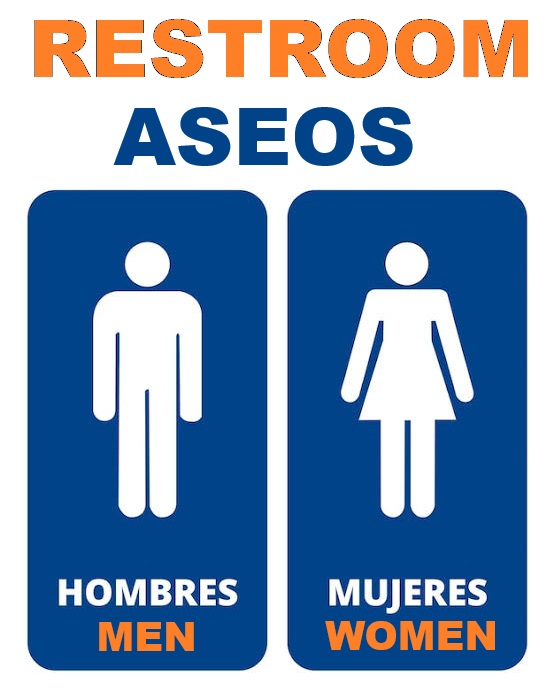
| ¿Dónde está el baño? | Where is the restroom? |
Informal — bars, streets, and fans
| ¡Hola! | Hey! |
| ¿Qué tal? | What’s up? |
| Guay | Cool / Awesome |
| Vale | OK / Alright |
| Tío / Tía | Dude / Man |
| Caña | Small beer |
| Tapa | Small snack / Appetizer |
| ¡Venga! | Come on! / Let’s go! |
| Otra ronda | Another round |
| ¿Nos pones otra? | Can we get another one? |
| Salud | Cheers |
| Nos vemos | See you |
| Hasta luego | See you later |
| No pasa nada | No problem / It’s fine |

NFL & Bengals vibes
| Who Dey | Shout it at the Bernabéu! |
| ¡Vamos, Bengals! | Let’s go, Bengals! |
| Partido | Game / Match |
| Afición | Fans / Supporters |
| Camiseta | Jersey / Shirt |
| Estadio | Stadium |
| Rugir | To roar (like a Bengal tiger) |
| Touchdown | Touchdown (same in Spanish!) |
| ¡Qué partidazo! | What a game! |
| ¡Qué ambientazo! | What an atmosphere! |
| ¿Dónde podemos ver el partido? | Where can we watch the game? |
| ¿A qué hora empieza el partido? | What time does the game start? |
| ¿Dónde está el Bernabéu? | Where is the Bernabéu? |
| ¿Vamos andando? | Should we walk? |
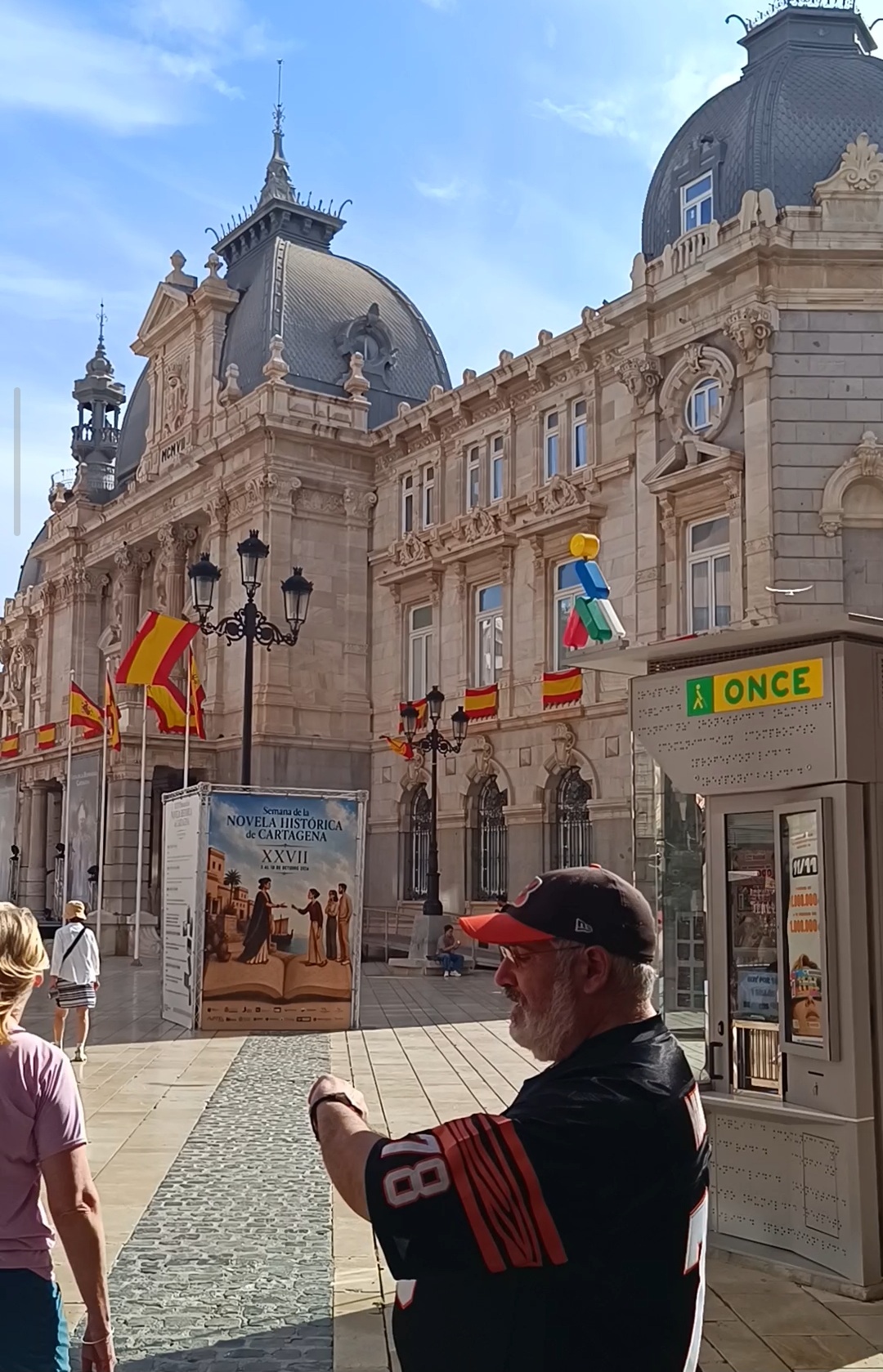
Final tip: if you head home at the end of the weekend saying “vale” every three sentences, ordering a caña without thinking twice, and shouting “¡Vamos Bengals!” with a Spanish accent, we can consider your integration complete.

Redactor en Bengals.es
Redactor en Spanish Bowl
Ex-Redactor de la AFC Norte de la NFL en el Diario AS
Colaborador de «La Perrera Brown».
Integrante del foro de los Cincinnati Bengals en NFLHispano.com
